
 Depuis les années 1990, la trajectoire démocratique en Afrique a été caractérisée par une trajectoire complexe fait de progrès, de stagnation et de régression. L'optimisme initial suivant la vague de démocratisation des années 90 a laissé place à une réalité plus nuancée, marquée par des réussites dans certains pays, la consolidation des autocraties et même un recul démocratique dans d’autres. Avec la récente vague de coups d'État militaires et la désillusion croissante face aux défis socio-économiques persistants, la situation appelle à un examen critique des fondements et des cadres du gouvernement légitime et de la démocratie constitutionnelle en Afrique, dans le cadre du discours plus large sur la « décolonisation » des connaissances et des institutions socio-économiques et politiques.
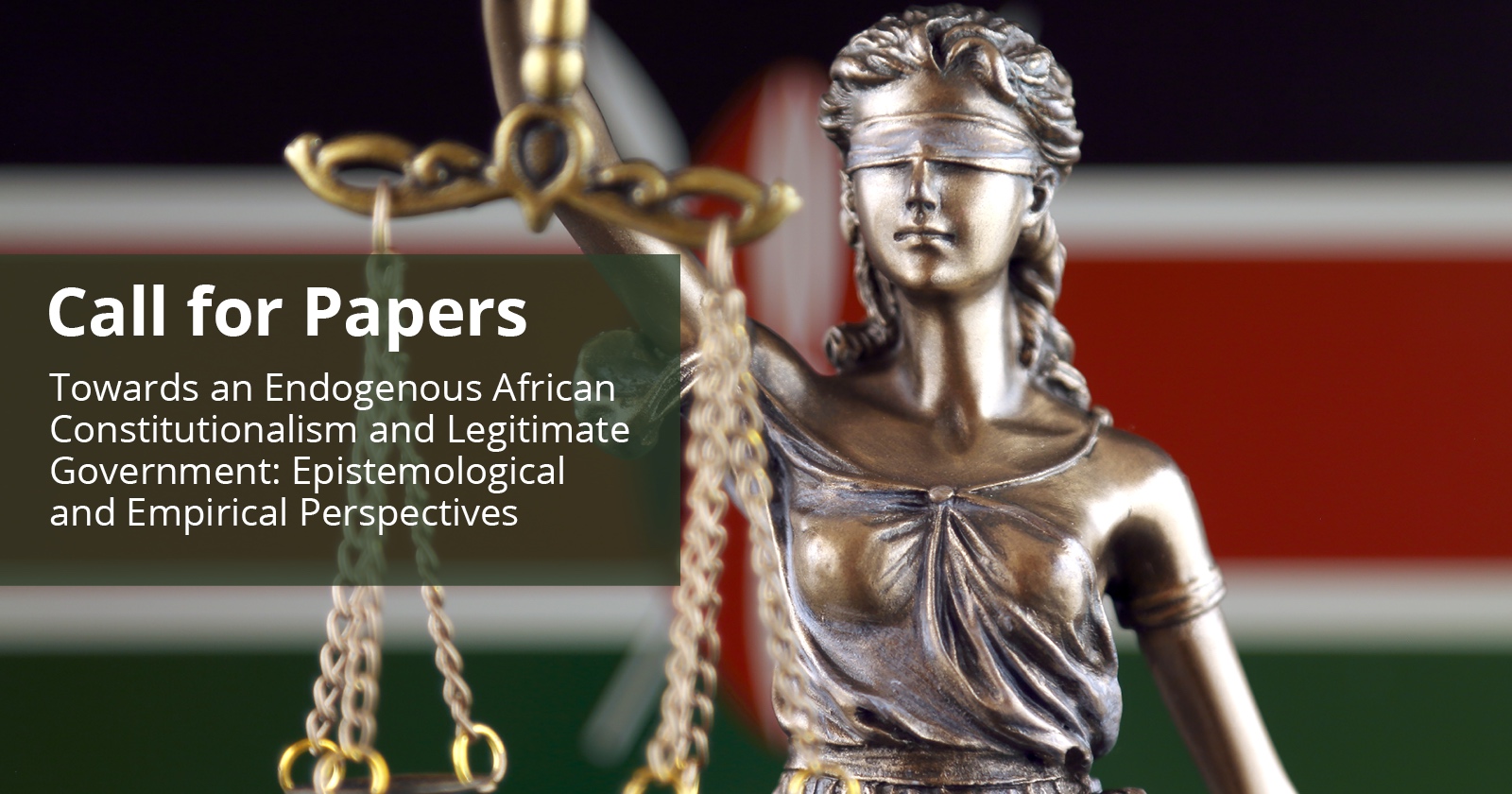
Since the 1990s, the democratic trajectory in Africa has been characterized by a complex interplay of progress, stagnation, and regression. The initial optimism following the wave of democratization has given way to a more nuanced reality, marked by achievements in some countries, consolidation of autocracies and even democratic backsliding. Alongside the recent wave of military coups and increasing disillusionment about continuing socio-economic challenges, the situation calls for a critical examination of the foundations and frameworks of legitimate government and constitutional democracy in Africa, as part of the broader discourse on ‘decolonizing’ knowledge and socio-economic and political institutions.

Faculty of Law
Department of Private Law
Postdoctoral Research Fellowship (1-year contract, renewable up to 2 years)
Job ID: 5853
The University of the Free State (UFS) invites applications from suitably qualified candidates for a postdoctoral fellowship in the Department of Private Law. Candidates interested in pursuing an academic or professional career in (research) Private Law, with special research interests in family law, customary law and property law in a South African, African and international context, are encouraged to apply.
 The University of the Witwatersrand (Wits) is committed to providing a safe institutional environment where all members of the Wits community can learn, work and engage in University duties and activities, free from all forms of gender inequities and Gender-Based Harm (GBH), including sexual harassment, sexual violence and sexism. Gender-Based Harm undermines the dignity and autonomy of those victimised, and erodes the academic project. The work of the Gender Equity Office (GEO) is undertaken in the context of diversity, equity, inclusion and social justice.
Read more: Vacancy: Director at Gender Equity Office (University of the Witwatersrand)
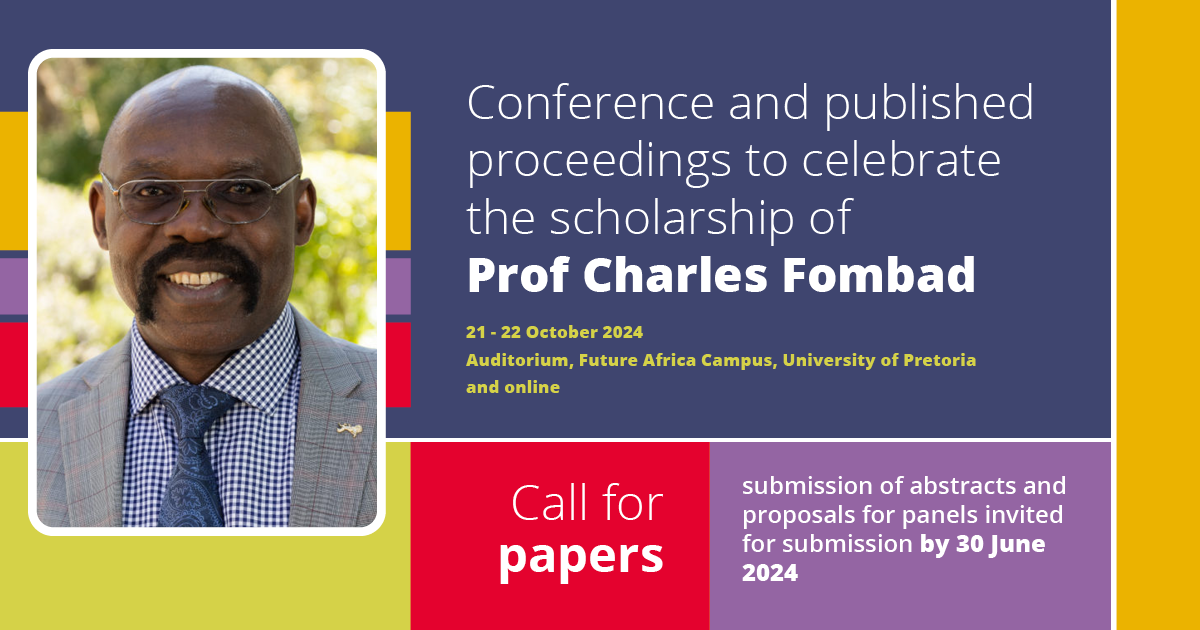
To celebrate the scholarship of Prof Charles Fombad, the Centre for Human Rights, and the NRF Chair in International Constitutionalism, Faculty of Law, University of Pretoria, and the Faculty of Law, University of the Free State, plan to co-host a conference and co-edit a publication (conference proceedings/volume of essays) to celebrate and reflect on Professor Charles Fombad’s ongoing scholarship.